


Winter Jewelry Care Checklist: 7 Checks Before You Go Out
This post contains links to our own Amazon store.
Winter Jewelry Care Checklist: 7 Checks Before You Go Out This Season
📚 5-SECOND STYLING · EP 04
If your winter jewelry care checklist is just "put it on and go," your bracelet is dulling, snagging and loosening faster than it should. The fix is seven quick checks before you leave: surface, clasp, fit, lotion, layering order, fabric and storage. The twist is that the freezing air outside is not the main culprit. Your heated living room is.
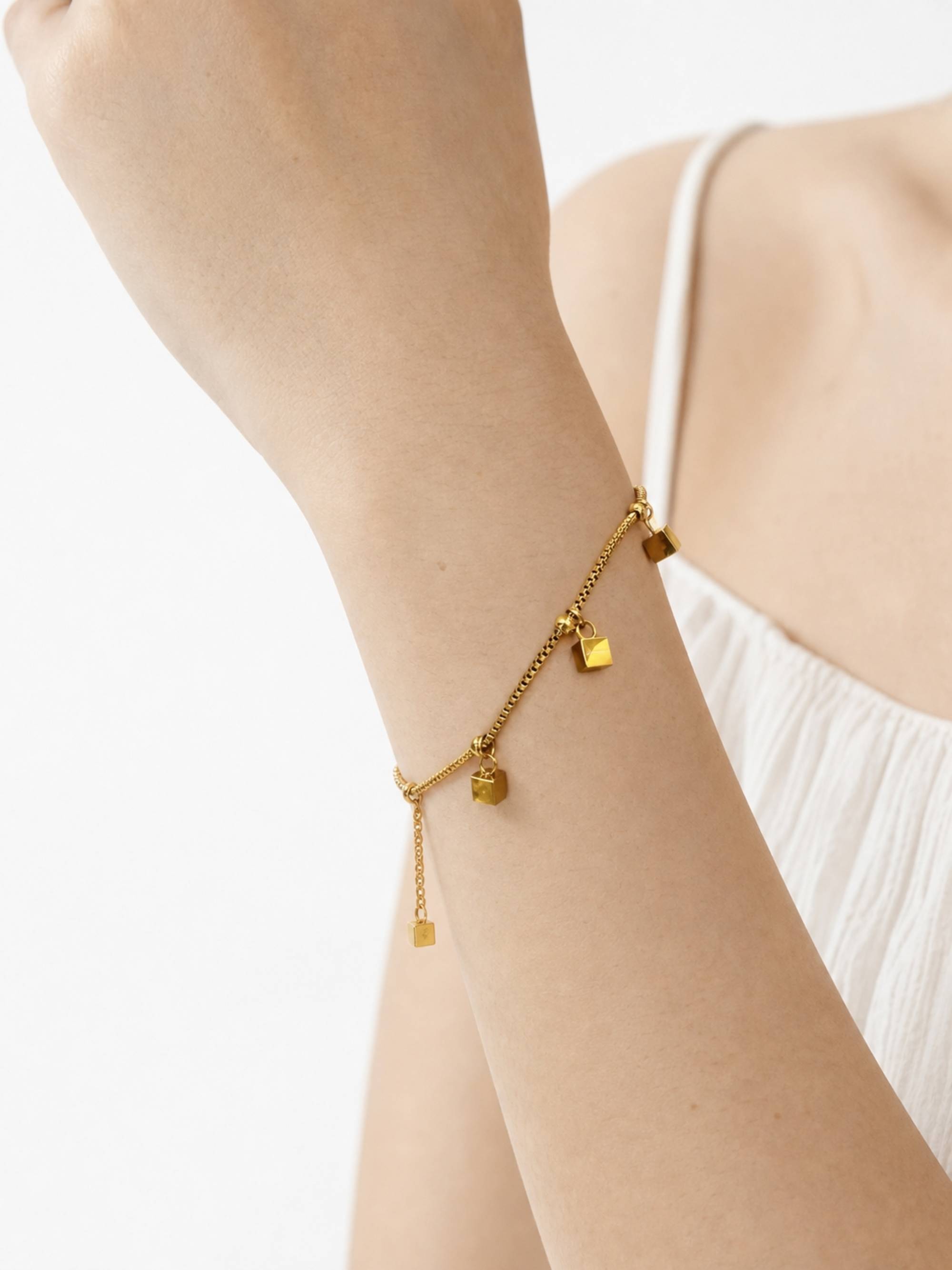
For readers who want one everyday piece that keeps this routine simple, a single chain with one charm leaves fewer links and edges to inspect than a stack of five bracelets. The Leporem 18K Gold Plated Padlock Charm Bracelet follows that one-chain, one-charm idea, so the question worth checking is how the charm and chain look against your usual winter layers.
Key Takeaways
Dry indoor heating air speeds up metal dulling and dries out porous gems like opals and pearls, according to Giva Jewellery (2024).
A clasp that feels slow or "mushy" after a few test clicks is not safe to wear outside.
Putting jewelry on after every clothing layer, coat included, cuts down the fabric a bracelet has to slide over and lowers snag risk.
Gold plated jewelry needs gentler care than solid gold, because worn plating exposes a more reactive base metal underneath.
The last check happens when you get home: wipe, dry and store the piece away from radiators.
Why Does Jewelry Tarnish Faster in Winter?
Jewelry tarnishes faster in winter because three stressors stack up at once: dry heated indoor air, road de-icing salt, and heavier lotions on the skin. Each one on its own is manageable. Together, and repeated daily, they push metal surfaces toward discoloration faster than a summer routine ever would, especially on plated pieces.
Tarnish is a thin layer of discoloration that forms when a metal surface reacts with air, moisture and chemicals. According to Giva Jewellery (2024), dry indoor heating air accelerates the dulling of metals and dries out porous gems like opals and pearls, while road de-icing salt combined with dry winter air can accelerate silver tarnish. In other words, the daily trip from a warm, dry apartment to a salted sidewalk and back is the real test your jewelry faces.
Skincare adds a second layer to the problem. According to Zadok Jewelers (2024), lotion, cream and cosmetic residue that builds up on jewelry can chemically accelerate metal discoloration. Winter is exactly when most people switch to thicker hand creams, and a bracelet sitting on a freshly moisturized wrist traps that residue against the metal for hours.
Myth check: is the cold itself the enemy?
The cold mostly changes fit, not finish. According to Sarah Elise Jewelry (2024) and several other jeweler blogs, cold weather causes metal to contract slightly, which can change how rings and clasps fit and feel. A ring that slides off a chilled finger or a clasp that feels stiffer outdoors is the cold talking. The color change, though, comes from heat, salt and chemicals.
The 7-Step Winter Jewelry Care Checklist Before You Go Out
The winter jewelry care checklist below runs in the order you actually get dressed, so nothing gets skipped. Save it or screenshot it; each step answers one specific way jewelry fails in cold months.
Run your fingers over the whole piece. Feel the clasp, every link and the edges of any charm for sharp, rough or loose points. Robinsons Jewelers (2024) recommends this full-surface touch check before wearing, because a burr you can feel is a burr that will catch knit fibers.
Click the clasp shut several times. A healthy spring snaps back quickly. If the spring feels slow or mushy, jewelry repair guides (2024) say the piece is unsafe to wear until it is fixed.
Test the fit after a minute outside, or with cool hands. Because metal contracts in the cold, a ring or bangle that is borderline loose indoors can feel different outside. Size down your expectations, not your safety margin.
Let lotion absorb fully before jewelry goes on. Apply hand cream first, wait until skin no longer feels tacky, then put on bracelets and rings.
Put jewelry on last, after the coat. Robinsons Jewelers (2024) notes that dressing in all layers first reduces the fabric a piece must slide over, cutting snag risk.
Check your fabric for static. Acrylic and other synthetic knits build far more static charge than wool, which makes chains cling and twist.
Plan the return trip. Keep a soft cloth by the door. Wipe off salt and moisture when you get home, then store the piece in an anti-tarnish pouch with a desiccant packet, away from the radiator.
Seven checks sounds like a lot, but most of them happen while you are already getting dressed. The difference shows up in February: a chain that still lies flat and bright on your wrist instead of one that looks gray at the links and catches on every cardigan cuff.
What Should I Check on a Bracelet Clasp Before Wearing It?
A bracelet clasp check before wearing should cover three things: the spring snaps back quickly after several clicks, the closure sits fully shut with no gap, and nothing around the clasp feels bent or rough. A slow or mushy spring means the clasp can open on its own, so repair it before wearing.
Spring ring clasps and lobster clasps both rely on a small internal spring, and winter is hard on springs. Stiff, cold fingers fumble closures, and a half-latched clasp under a thick sleeve can work itself open without you noticing. The few seconds it takes to click a clasp shut several times is the cheapest insurance you have against losing a piece on a snowy sidewalk.
Gloves deserve a mention here too. Pulling tight gloves on and off over a bracelet tugs directly on the clasp. If your gloves fit snugly at the wrist, either put the bracelet on over the glove cuff line or take the gloves off first and remove them carefully.
How Do I Stop My Bracelet From Snagging on Sweaters?
The simplest bracelet snagging on sweater fix is to put the bracelet on after every layer, including your coat, and wear it over the cuff rather than under knit sleeves. Smoothing any rough edges you found during the touch check, and choosing tighter-knit wool over loose synthetic knits, cuts snag risk further.
Snags happen where a loose loop of yarn meets a gap or edge on the jewelry: the space between links, the tip of a clasp, the corner of a charm. Chunky cable knits and open-weave cardigans have the most loops to catch. A smoother, closer-knit fabric gives a bracelet fewer places to hook.
Static makes snagging worse. Static cling between a sweater and the layers under it builds from friction, as fabrics rub and separate electric charge. Synthetic fabrics like acrylic cling far more than wool, according to general consumer and physics sources (2024-2025). A clinging sleeve hugs the wrist and drags across the bracelet with every arm movement, which is exactly when a link catches a thread.
If your sister wears her bracelet under a chunky acrylic cardigan every single day, send her step five of the checklist. That one change in dressing order does more than any product.
Does Gold Plated Jewelry Tarnish in Winter?
Gold plated jewelry can tarnish in winter, mainly where friction, salt and lotion thin the gold layer. According to TheSmartInvestor (2025), plated jewelry wears through to the reactive base metal over time and tarnishes more aggressively than solid gold of the same karat. Careful drying, gentle wiping and dry storage slow that process noticeably.
Plating, such as 18K gold plating or PVD plating, is a thin layer of gold bonded over a base metal like brass or a copper alloy. The gold layer itself is stable; trouble starts when it is rubbed thin. Knit cuffs, glove edges and desk surfaces are the usual friction points in winter, so the wrist-side of a bracelet and the clasp often show wear first.
Cleaning method matters more than most people expect. According to POSCO Newsroom (2023-2024), silver tarnish removal relies on abrasive polish that grinds away the discolored surface layer. That works on solid silver because there is more silver underneath. On a plated piece, the surface layer is the gold, so abrasive polish removes exactly what you want to keep. A soft, dry cloth is the safer choice.
Winter risk | What causes it | Checklist step that prevents it |
|---|---|---|
Dull or discolored finish | Dry heated air, lotion residue, road salt | Steps 4 and 7 |
Snagged sweaters and bent links | Rough edges, loose knits, dressing order | Steps 1 and 5 |
Lost bracelet | Weak clasp spring, half-latched closure | Step 2 |
Loose or shifting rings | Metal contraction in the cold | Step 3 |
Chains clinging and twisting | Static from synthetic fabrics | Step 6 |
Choosing a Winter-Friendly Everyday Piece
A winter-friendly everyday bracelet is one that keeps the checklist short: a smooth surface with few sharp edges, a clasp you can test in seconds, and a finish that resists tarnish when you wipe and store it properly. Fewer components mean fewer places to snag and fewer things to inspect each morning.
Trend timing helps here as well. WhoWhatWear's 2026 jewelry trend forecast flags charm bracelets and necklaces as a major trend, returning in more refined, less maximalist forms than earlier charm fads. The same outlet's winter 2026 styling coverage leans toward layering accessories you already own, such as long pendants over turtlenecks and brooches on coats, rather than buying a whole new collection. One well-chosen charm piece fits both ideas.
A single padlock charm on a gold-plated chain matches the refined version of the trend and sits neatly over a coat cuff, which is where step five puts it anyway. The Leporem 18K Gold Plated Padlock Charm Bracelet is one example of that style; the detail worth looking at before deciding is how the padlock charm and the chain are shaped in close-up photos, since smooth edges are what keep knitwear safe.
Who a plated charm bracelet is not for
A gold plated charm bracelet is not the right pick for someone who wants a lifetime heirloom that can be polished and resized for decades; solid gold is built for that. Plating wears over time, as TheSmartInvestor (2025) notes. Readers with a known metal allergy should read the material details on the product listing carefully and be cautious with any plated piece.
Frequently Asked Questions
How do you keep jewelry from tarnishing in winter?
Keeping jewelry from tarnishing in winter comes down to three habits: let lotion absorb before putting pieces on, wipe off road salt and moisture after coming home, and store jewelry in an anti-tarnish pouch with a desiccant packet away from radiators. Dry heated air and de-icing salt are the main winter tarnish triggers.
Does gold plated jewelry tarnish faster in cold or humid weather?
Gold plated jewelry dulls faster when the thin gold layer wears through to the reactive base metal, and winter speeds that up through friction from sweaters, lotion residue and road salt. Cold air alone is not the main problem. Dry indoor heating and chemical contact do more damage than the temperature outside.
Why does my jewelry turn my skin green in winter?
Jewelry turns skin green when a base metal such as a copper alloy reacts with moisture, sweat or lotion on the skin. On gold plated jewelry, green marks usually mean the plating has thinned in high-friction spots. Heavy winter creams trapped under a bracelet can speed up that reaction, so wipe both skin and jewelry.
How often should you clean gold plated jewelry in winter?
Gold plated jewelry in winter benefits from a gentle wipe with a soft, dry cloth after every wear, especially after time outdoors near salted roads. Avoid abrasive silver polish on plated pieces, because polish works by grinding away the surface layer, which on plated jewelry is the gold itself.
How do I stop static from making my bracelet cling to my sweater?
Static cling on a bracelet builds from friction between fabric layers, and synthetic fabrics like acrylic build far more charge than wool. Choosing a wool or wool-blend top, putting the bracelet on after the coat, and wearing it over the cuff rather than under knit sleeves all reduce clinging and snag risk.
Is a gold plated charm bracelet a good choice for everyday winter wear?
A gold plated charm bracelet works well for everyday winter wear if you follow a basic care routine: wipe it after wearing, keep it dry and away from heaters, and check the clasp before going out. A gold plated charm bracelet is not a lifetime heirloom like solid gold, because plating wears over time.
The Short Version Before You Head Out
The winter jewelry care checklist works because it follows the order you already get dressed: touch the surface, click the clasp, test the fit, let lotion dry, layer clothes first, pick a low-static fabric, and plan the wipe-down for when you get home. Do those seven things and most winter jewelry damage simply never starts.
If you are weighing whether a single gold-plated padlock charm piece would make that routine easier than your current stack, the most useful thing to check is how people who wear the Leporem 18K Gold Plated Padlock Charm Bracelet through daily wear describe the finish and the clasp over time.
This post contains affiliate links. If you make a purchase through these links, we may earn a commission at no extra cost to you.
More in this series
EP 5 is “First earrings for winter: where to start”. Subscribe so it reaches you first.
Comments